


Rich experience
Anji Dadi Plastic&Steel Manufacturing Co., Ltd was established in 2001, which is the first metal casket manufacturer in China, have 21 years history, and much experience in producing casket.
Professional team
We have a professional team with technical knowledge and managerial experience. Our company has advanced equipments for manufacturing. By virtue of perfect managerial system and excellent quality, so we can always keep the price competitive and reasonable.
High 1uality
The aim of our company is providing the best quality and serve to our customer, we got extensive experience in the casket industry, and we set up a scientific and efficient production process, also gradually established a strict and stable QC system.
Best service
Customer's satisfaction is always our concern, we are keen to solve any problem. We will answer all questions asked, help everyone in need and give response to every prayer.
Steel caskets are manufactured by the thickness of the steel. A 20-gauge steel is the thinnest steel used for casket manufacturing and is 1/20 of an inch thick. All 20 gauge steel caskets are made with crepe interiors. Some 20 gauge steel caskets offer a non-sealing option. When closing the casket the lid would not be sealed and would be closed with a latch.
-

20143356 20ga, 27'', Gasketed, Square Corner casket, Light Blue Shaded Silver Finish, Blue Crepe Interior. Blue 20 Gauge Steel Casket. Adjusted bed system
Add to Inquiry -
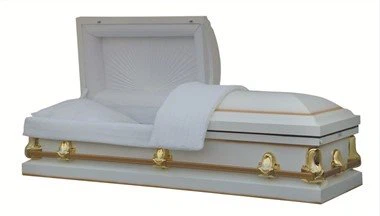
Sunburst White Square Corner Steel Casket
20033240 20ga, 27, Gasketed, Square Corner casket, White Shaded Light Gold Finish, Ivory Crepe Interior. Sunburst White Square Corner Steel Casket. Adjusted bed system
Add to Inquiry -
Rose White Shaded Pink Square Corner Casket
20043335 20ga, 27, Gasketed, Square Corner casket, White Shaded Pink Finish, Ivory Crepe Interior. Rose White Shaded Pink Square Corner Casket. Adjusted bed system
Add to Inquiry -
Birds White Shaded Gold Square Corner Casket
20033318 20ga, 27, Gasketed, Square Corner casket, White Shaded Gold Finish, White Crepe Interior. Birds White Shaded Gold Square Corner Casket. Adjusted bed system
Add to Inquiry -
Hand Silver Square Corner Steel Casket
20233333 20ga, 27'', Gasketed, Square Corner casket, Blue Finish, White Crepe Interior. Hand Silver Square Corner Steel Casket. Adjusted bed system
Add to Inquiry -
Bilbe White Square Corner Steel Casket
20233316 20ga, 27, Gasketed, Square Corner casket, White Shaded Silver Finish, Pearl Crepe Interior. Bilbe White Square Corner Steel Casket. Adjusted bed system
Add to Inquiry -
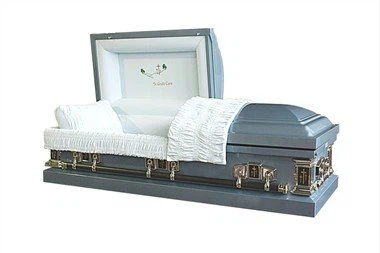
Going Home Blue Square Corner Casket
18319045 In God's Care 20ga, 27, Gasketed, Square Corner casket, Light Blue Finish, Blue Crepe Interior. Going Home Blue Square Corner Casket. Adjusted bed system
Add to Inquiry -
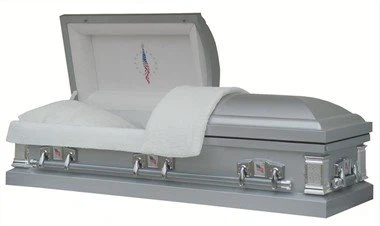
Flag Silver Square Corner Steel Casket
18017126 20ga, 27, Gasketed, Square Corner casket, Silver Finish, Flag White Crepe Interior. Flag Silver Square Corner Steel Casket. Adjusted bed system
Add to Inquiry -
Christ Blue Square Corner Casket
18115251 20ga, 27, Gasketed, Square Corner casket, Blue Shaded Light Gold Finish, Christ Blue Crepe Interior. Christ Blue Square Corner Casket. Adjusted bed system
Add to Inquiry -
Embroideried Square Corner Steel Casket
18808121 20ga, 27, Gasketed, Square Corner casket, White Shaded Silver Finish, Pink Crepe Interior. Embroideried Square Corner Steel Casket. Adjusted bed system
Add to Inquiry






It was only a matter of time until people realized that no 20 gauge steel casket is going to preserve a dead body in perfect shape forever. Be that as it may, the mere thought that a 20 gauge steel casket can protect the deceased for a very long time (and even centuries) comforts the mourners. Durability is definitely the essential reason for which people still choose 20 gauge steel caskets. Unlike the wood counterparts, 20 gauge steel caskets are resistant to corrosion, even if the most affordable metal (carbon steel) is less resistant than others.
Various metals are used for caskets, and steel is probably the most popular to name. If species affect the quality and price for wood caskets, in the case of 20 gauge steel caskets, the thickness and the metal per se are the most important to consider. 20-gauge steel is a standard and affordable option, for instance, but it's the 16- and 18- a gauge that is more resistant and more expensive (a small number for gauges relates to higher resistance and higher prices).
If mahogany or cherry are some of the most expensive woods to use for caskets, copper, bronze, and gold are the most exquisite to name for the metal category.
Another reason for which people choose 20 gauge steel caskets is that they can be "gasketed." it means that they feature a rubber gasket sealer across the lid so that the casket's interior is all sealed. The sealed caskets keep the elements away from the inside, protecting the deceased.
20 gauge steel caskets also allow customization, and they actually come in many colors, finishes, or feature ornaments for personalization.
Understanding Gauge Numbers In Metal Caskets: A Guide To Steel Thickness And Durability
Gauge numbers in metal caskets refer to the thickness of the steel used to construct the casket. In general, a lower gauge number indicates a thicker steel and a higher gauge number indicates a thinner steel. Here are a few common gauge numbers used in caskets:
18 gauge steel
This is considered to be a heavy-duty steel and is often used in high-end caskets. The thickness of the sheet material is around 0.052 inches.
20 gauge steel
This is a medium-weight steel and is a popular choice for many caskets. The thickness of this sheet material is around 0.040 inches: 23.1% thinner compared to 18 gauge.
22 gauge steel
This is a lighter-weight steel and is commonly used in lower-priced caskets. The thickness of the sheet material is around 0.034 inches: 20% thinner compared to 20 gauge.
What's Difference Between 18 and 20 Gauge Steel Caskets
The selection of a casket is a pivotal decision in the funeral planning process. It's a choice that encapsulates personal preferences, aesthetic considerations, and budgetary constraints. The material and thickness of the steel, indicated by the "gauge," are key factors that determine the casket's durability, appearance, and cost. From steel and stainless steel to high-end materials like bronze and copper, each option carries its own unique characteristics, making it essential to grasp these distinctions.
When considering metal caskets, the gauge of steel is a crucial element to bear in mind. A lower gauge number indicates a thicker and more robust steel. This gauge level directly affects the casket's durability and weight, and it also influences its aesthetic appeal and cost.
The choice between 18 and 20-gauge steel caskets is a decision that hinges on several factors, including the desired level of durability and aesthetic preferences. Eighteen-gauge caskets, being thicker, suggest higher durability and often come with luxurious velvet interiors and swing arm handle hardware. In contrast, 20-gauge caskets might feature crêpe interiors and stationary bars or handles, presenting a more economical option without compromising dignity. These differences allow families to make a choice that best suits their needs and respects their loved one's memory.
Moreover, rubber seals designed to create airtight and watertight gaskets are more commonly found in 18-gauge caskets. These gaskets protect the casket's interior from external elements, although they do not stop the natural decomposition process.
Gaskets serve a vital function by enhancing the casket's integrity, offering a temporary barrier against moisture and soil. Their presence, typically in higher-end models, underscores a commitment to quality and signifies an added layer of respect for the deceased. While not a requirement, their inclusion reflects on the casket's overall cost and construction quality, offering families a choice in how they wish to memorialize their loved ones.
Gaskets are commonly found in premium casket offerings, often correlating with higher-end models such as those made from 18-gauge steel. The presence of a gasket is typically associated with enhanced construction quality and a focus on preserving the dignity of the deceased's final resting place. However, it's also crucial for consumers to understand that gaskets are an optional feature and not a legal requirement for burial caskets. Their inclusion increases the casket's cost, reflecting the additional materials and manufacturing processes involved.
When choosing a steel funeral casket, one aspect to consider is the paint and finish. The finish not only adds to the casket's aesthetic appeal but also offers a layer of protection to the steel beneath. Modern advancements have brought many options, including automotive-quality paint finishes known for their durability, gloss, and resistance to fading over time.
Automotive-quality paint finishes on steel funeral caskets are similar to those used on cars. This type of finish is renowned for its high gloss, depth of color, and superior durability. The application process involves multiple layers, including a base coat for color, a metallic layer for depth, and a clear coat for protection. This process ensures that the finish is resistant to scratches, chipping, and the effects of weathering, maintaining its beauty for years to come.
While metal caskets offer durability and resistance to decay, wood caskets bring a different set of values, such as biodegradability and a natural aesthetic. Wood caskets, susceptible to decay, represent a choice for those looking for eco-friendly options or preferring the natural beauty of wood grains. This decision underscores the diverse considerations families must weigh, including environmental concerns and personal aesthetics.
The Manufacturing Process Of 20 Gauge Steel Caskets
The production of a 20 gauge steel casket is a meticulous process that begins with the selection of high-quality steel. The steel is precision-cut and formed into the casket's basic shape. Skilled artisans then employ techniques such as welding and brushing to construct a seamless and durable final product. Advanced machinery aids in creating detailed designs on the casket's surface, while quality control measures ensure that each casket meets stringent standards for durability and aesthetics.
The manufacturing process of 20 gauge steel caskets is intricate and combines modern industrial techniques with meticulous craftsmanship. To better understand this process, it can be insightful to compare it with the manufacturing of auto body parts, which shares similar techniques but is applied in a vastly different context.
Precision Cutting, Forming, And Joining
Both 20 gauge steel caskets and auto body parts begin with the precision cutting of steel sheets. In casket manufacturing, the steel is typically cut into large, flat pieces that are then shaped to form the casket's base, lid, and sides. High-precision machinery, such as laser cutters or water jets, is employed to ensure that each cut is exact and that the dimensions are perfectly aligned with the design specifications.
The forming process in 20 gauge steel casket manufacturing involves bending the cut sheets into the desired shapes. This is typically achieved using press brakes, which carefully fold the steel without damaging the material. The caskets are then assembled using welding or riveting to join the pieces securely, ensuring a seamless appearance and structural integrity.
Finishing Touches
Finishing processes in 20 gauge steel casket manufacturing involve several steps to enhance aesthetic appeal and durability. After assembly, the caskets are often coated with a primer to prevent corrosion, followed by a top coat of paint. High-quality finishes are crucial, as the appearance of the casket plays a significant role in its selection. The interiors are lined with fabrics like satin, velvet, or crepe, adding a final touch of elegance and comfort.
6 Tips to Choosing 20 Gauge Steel Casket for a Loved One
Choosing a casket is an important decision when planning a funeral or memorial service. It can be an emotionally challenging task, but with some guidance, you can make a choice that honors your loved one and meets your needs.Here are six tips to consider when selecting a casket:
Budget considerations: Before starting your search, determine your budget for the casket. Funerals can be costly, and caskets vary greatly in price. Having a clear budget in mind will help you narrow down your options and prevent overspending. It's essential to strike a balance between what you can afford and the quality of the casket you choose. Consider your financial capabilities and allocate funds accordingly, keeping in mind that there may be other expenses to cover as well.
Material and construction: Caskets are available in various materials, including wood, metal, and even eco-friendly options. Each material has its own unique qualities and aesthetic appeal. Consider the preferences of your loved one and the significance of the material to them. For instance, if they had a fondness for nature, a wooden casket might be a suitable choice. Additionally, pay attention to the construction and craftsmanship of the casket to ensure it is sturdy and well-made.
Style and design: Caskets come in a wide range of styles and designs, from traditional to contemporary. Consider the personality and tastes of your loved one when selecting a style. Traditional caskets typically have a timeless and elegant appearance, while contemporary options may have sleeker lines and modern finishes. Choosing a style that reflects the individuality of the person being honored can provide a meaningful tribute.
Interior features: The interior of the casket is another aspect to consider. Most caskets have a lining, typically made of fabric, that provides a comfortable resting place for the deceased. The color and texture of the lining can vary, so choose an option that complements the overall aesthetic of the casket. Some caskets also offer additional features, such as adjustable beds or memory drawers, which can hold personal mementos or letters. These features can add a personalized touch to the casket.
Personalization options: Personalization can add a meaningful touch to the casket selection process. Many casket providers offer customization options, such as engraved nameplates, decorative handles, or embroidered panels. These personalized elements can help create a unique tribute to your loved one. Consider incorporating elements that hold special significance, such as their favorite color, hobbies, or symbols that represent their life and personality.
Seek guidance and support: Choosing a casket can be an overwhelming experience, especially during a time of grief. Don't hesitate to seek guidance and support from family members, friends, or funeral professionals. They can provide valuable insights, share their experiences, and help you make an informed decision. As funeral directors, we are well-versed in the process and can offer recommendations based on your specific needs and preferences.
You might assume that metal caskets are heavier than wood caskets. But actually, that's not usually the case. Since metal is stronger than wood, it doesn't need to be quite as thick as wood in order to guarantee stability. Therefore, metal caskets can be constructed with thinner walls, resulting in an average weight of a metal casket to be around 180-200 pounds.
As with wood, there are many different types of metal that can be used in casket construction. While 18 - 20 gauge steel is the most common material, stainless steel, copper and even gold are also used to build caskets. (As you would imagine, gold caskets are both extremely heavy and extraordinarily expensive.)
20-gauge steel caskets generally weigh somewhere in the neighborhood of 170-190 pounds, as do stainless steel caskets.

Our Factory
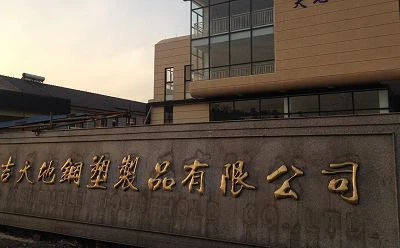
Anji Dadi Plastic&Steel Manufacturing Co., Ltd was established in 2001, which is the first metal casket manufacturer in China, have 21 years history, and much experience in producing casket. Our company covers an area of 15000 square meters and 20000 square meters of building area. Our advantageous location offers a convenient water, land and air transportation.
The aim of our company is providing the best quality and serve to our customer, we got extensive experience in the casket industry, and we set up a scientific and efficient production process, also gradually established a strict and stable QC system. Which professional engineers, well-trained wrokers and advanced equipments, we have developed a great variety of metal caskets, like 20ga, 18ga, copper casket, oversize casket(28", 29", 30", 31", 32", 33", 34", 35", 36"37", 40", 44") and so on. We also can change exterior and interior of caskets as customer's specifications.



FAQ
